11 min
S3 Is Not Cheap — Your Usage Is Expensive
S3 storage is still cheap in July 2026. Request storms, unmanaged versioning, CRR, Express One Zone, and S3 Tables compaction choices are what blow the bill, more than GB-month does.
 Kevin W.

Tagged
S3 storage is still cheap in July 2026. Request storms, unmanaged versioning, CRR, Express One Zone, and S3 Tables compaction choices are what blow the bill, more than GB-month does.
Kevin W.The worst AWS bills still come from small systems with invisible failure modes. July 2026 refresh: SQS/Lambda retry storms, zombie resources, public AI endpoints, and Bedrock/AgentCore spend loops, plus the detection radar.
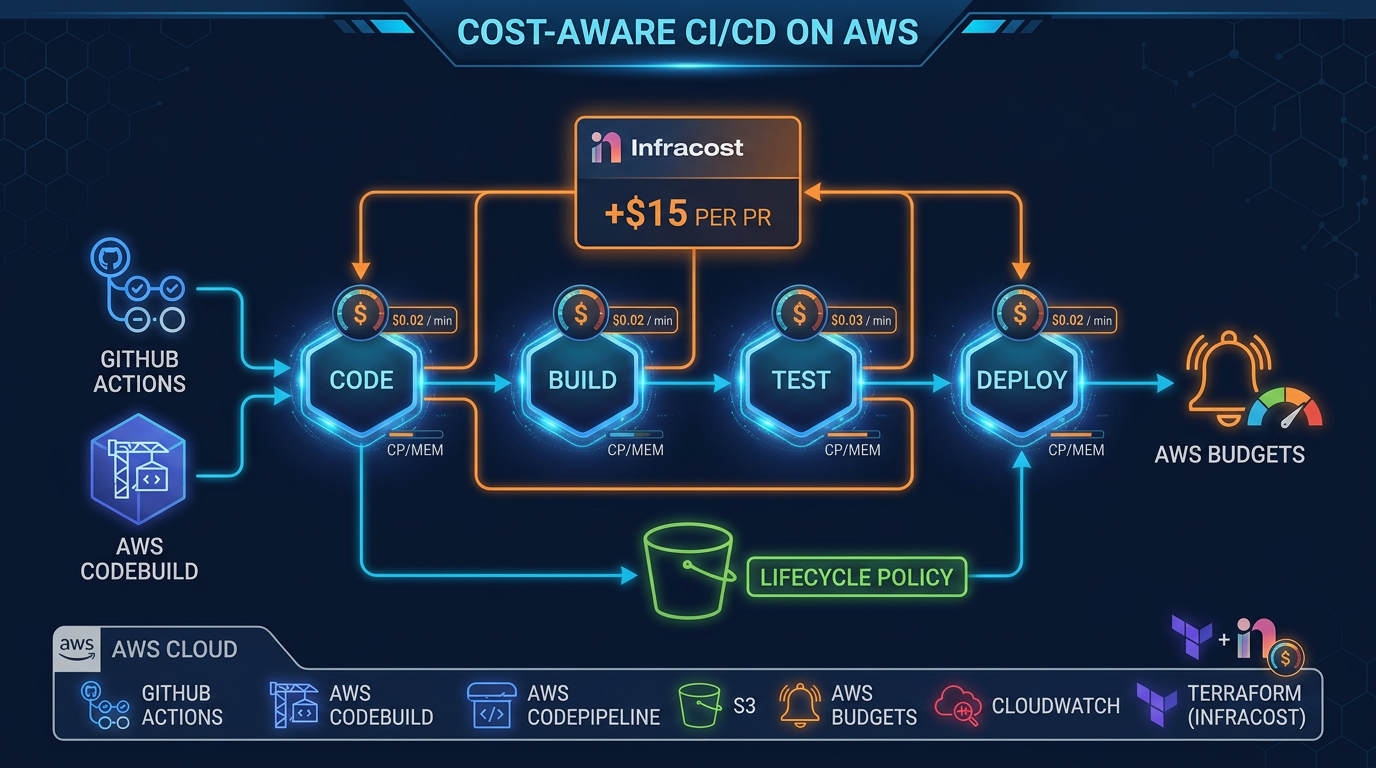
Kevin W.CI/CD infrastructure is invisible until your DevOps bill hits $15,000/month. Build minutes, artifact storage, and ephemeral environments accumulate costs that few teams track. This post covers how to measure and control them.
 Manoj V.
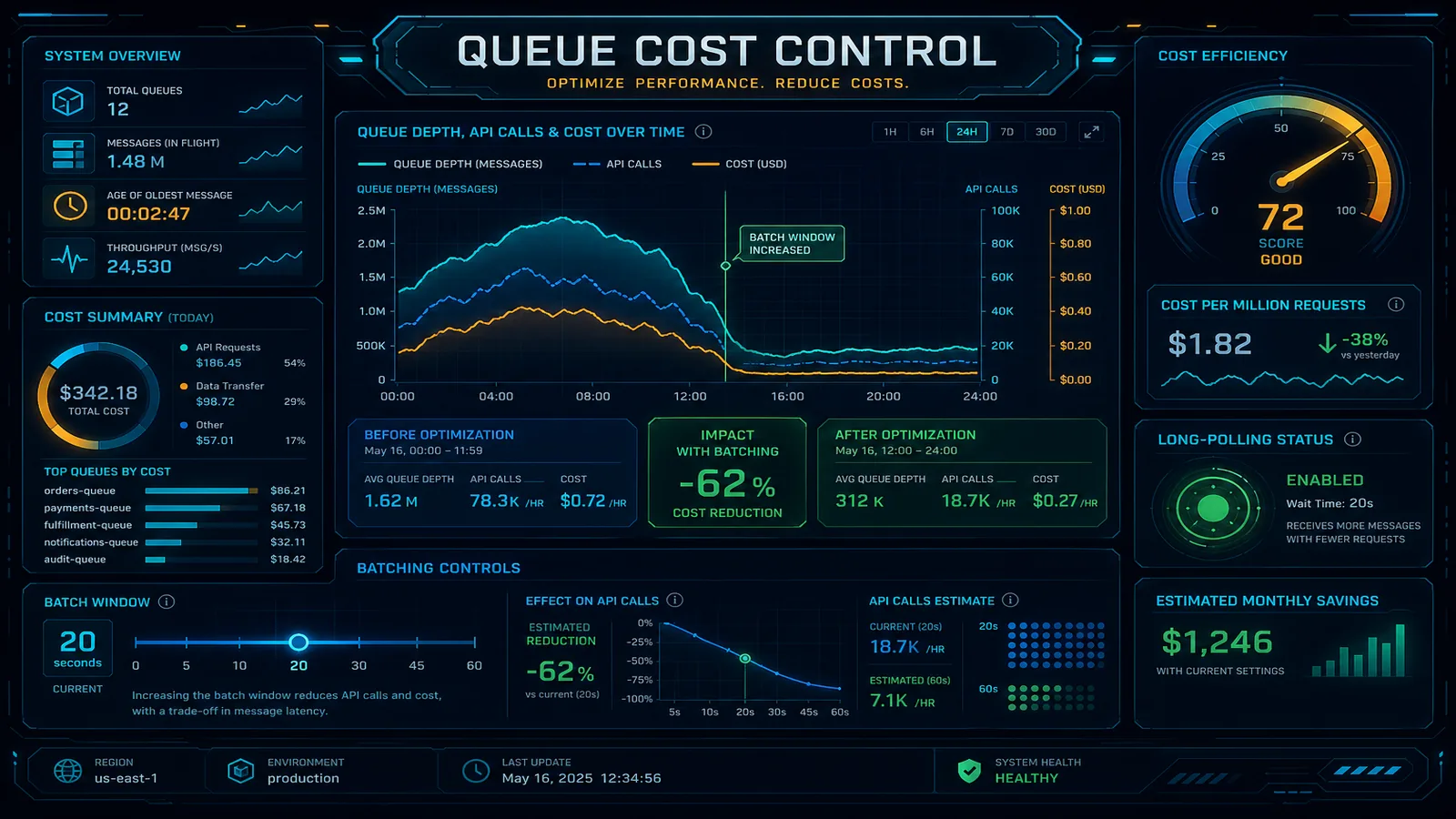
SQS is cheap until retry storms: short polling × uncapped workers. July 2026: long poll 20s, visibility math, DLQ alarms, concurrency caps.
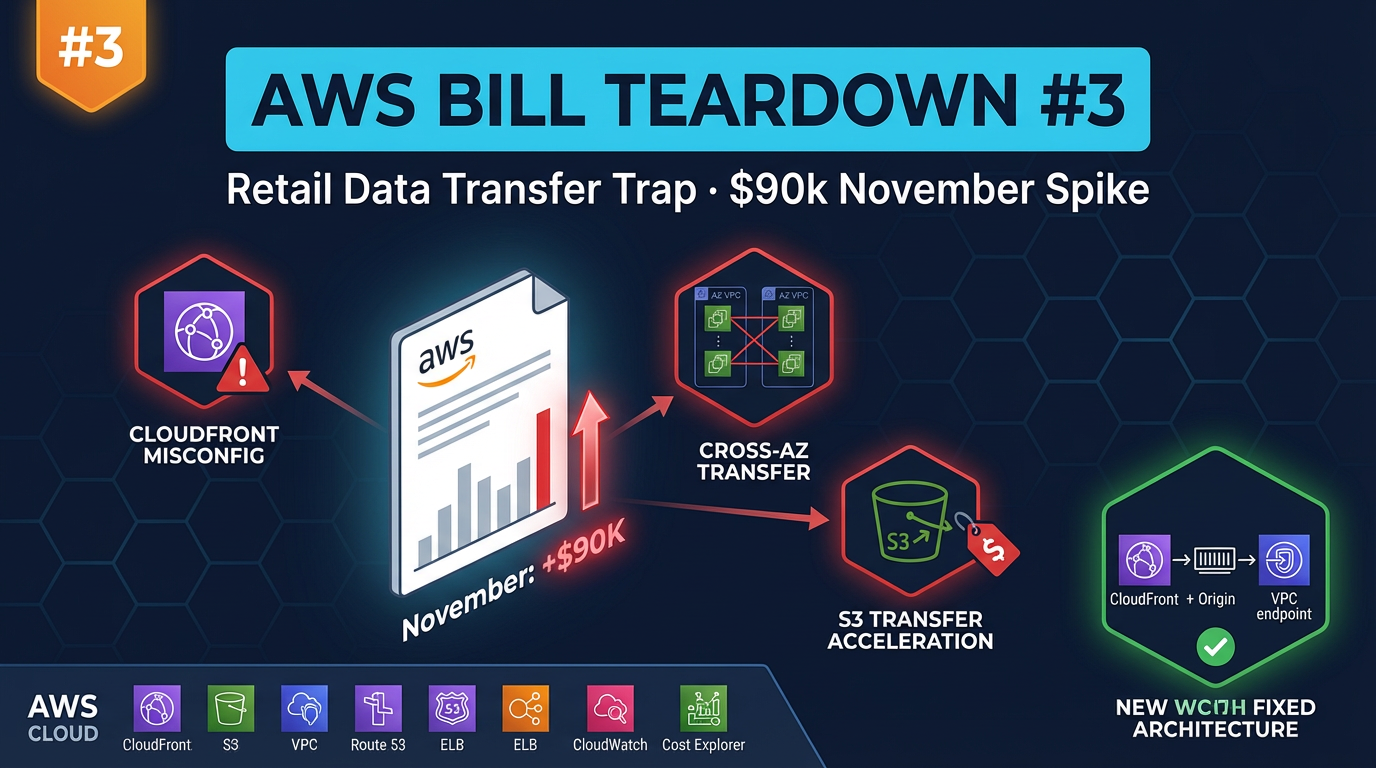
Kevin W.A mid-size retailer spiked to $87k in November from three data-transfer traps. July 2026 refresh: CloudFront hit-rate math, Origin Shield pricing, cross-AZ ECS, and Transfer Acceleration misuse.
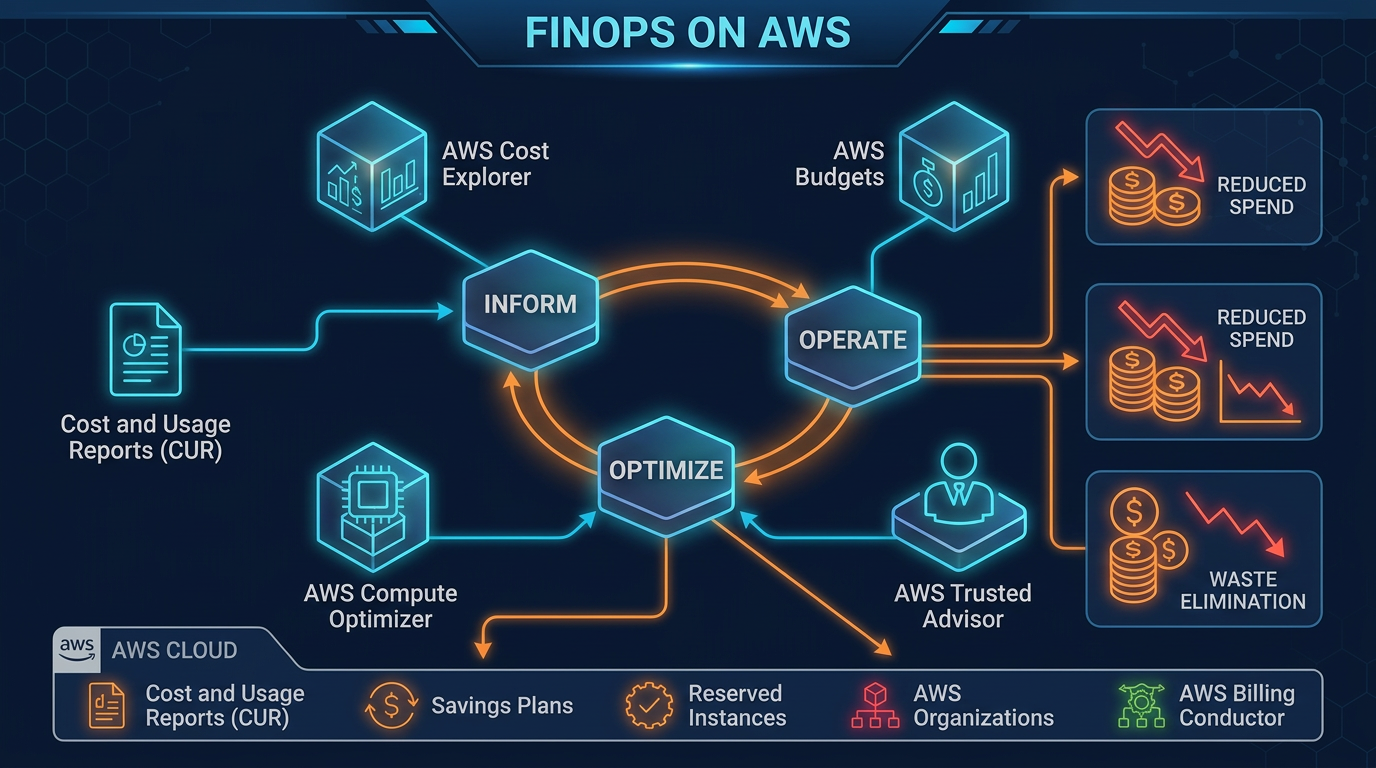
Kevin W.Cloud cost governance that sticks. A guide to FinOps on AWS: the Inform/Optimize/Operate framework, AWS-native tools, team structure, and how to know when to hire a FinOps consultant.
Kevin W.Surprise AWS bills usually come from one of a handful of sources. Cost Explorer patterns, budget alerts, anomaly detection, and the tagging discipline that turns "who owns this $4,000 spike" into a 30-second answer instead of a week-long Slack thread.
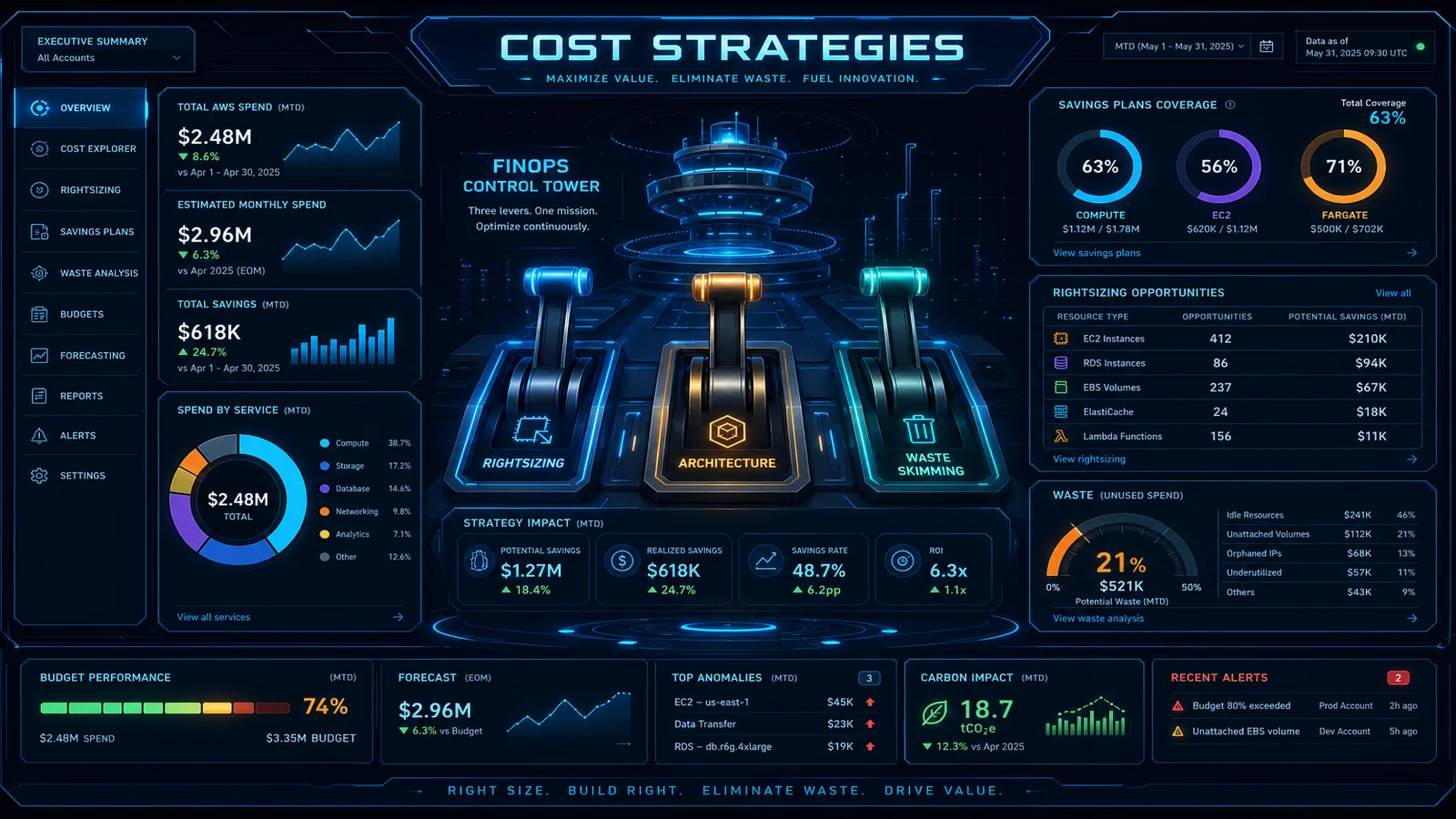
Kevin W.Beyond Reserved Instances: practical FinOps and AWS cost optimization strategies to reduce your AWS bill by 20-40% without sacrificing performance or reliability.
Kevin W.We use cookies and similar technologies to analyze site traffic, personalize content, and provide social media features. By clicking “Accept,” you consent to our use of cookies. You can adjust your preferences at any time.