Tagged

aws

Tagged articles
273
4 min

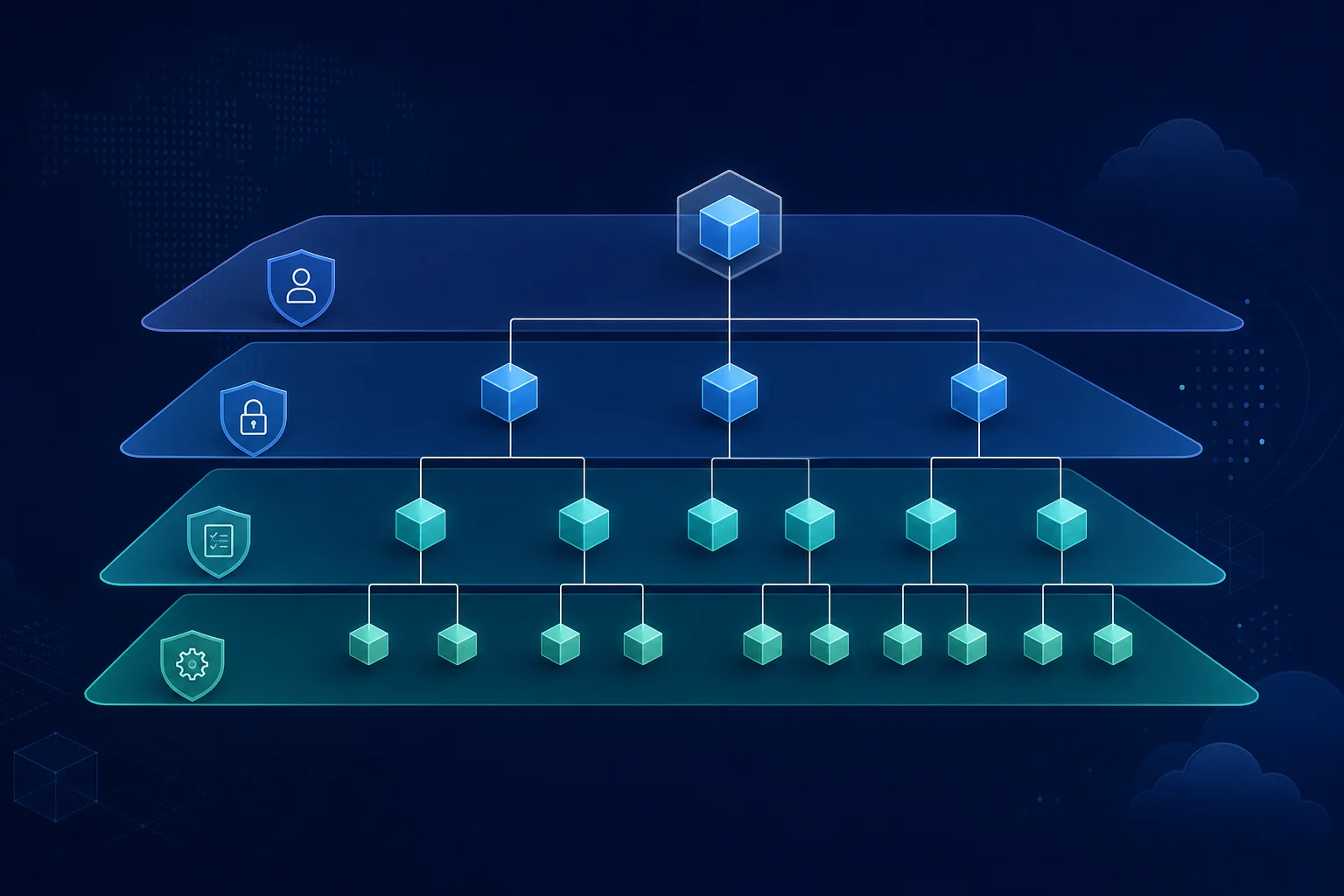
Enterprise AWS Governance (2026): OU Taxonomy, Policy Layering, and Exception RFCs That Scale

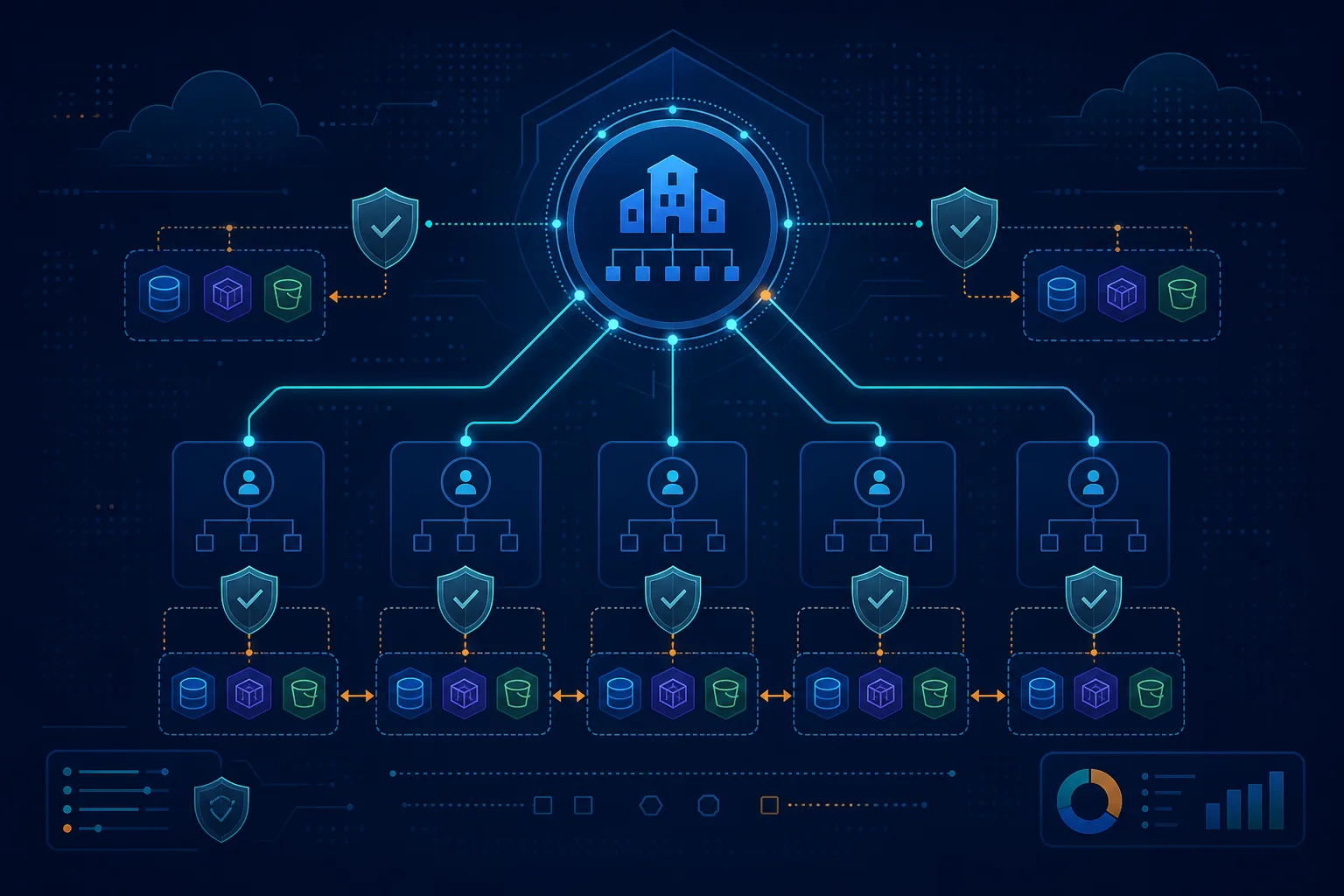
Control Tower gets you an org, but it does not tell you how many OUs you need or which policy type owns VPC public access. Since re:Invent 2024 you have four layers (SCP, RCP, declarative, and tag policies), and RCP coverage grew through Feb 2026 (DynamoDB). A composite 60-account enterprise cut exception SCP attachments from 14 ad-hoc to 3 time-boxed RFCs in two quarters by moving accounts out of "temporary" prod OUs.

Palaniappan P
4 min

From One FIS Experiment to a Resilience Program (2026): AWS Fault Injection Service, Stop Conditions, and GameDays That Actually Change Behavior

Running one AWS FIS experiment in a demo account is not chaos engineering. It is a screenshot. A program ties experiments to SLOs, scopes blast radius with tags, halts on CloudWatch alarm stop conditions, schedules via EventBridge, and closes the loop by re-testing the fix. FIS now ships AZ Power Interruption and cross-Region connectivity scenarios in its Scenario Library. This post covers the L0 to L3 maturity matrix, a GameDay runbook, and a stop-condition-wired experiment skeleton.

Manoj V.
5 min

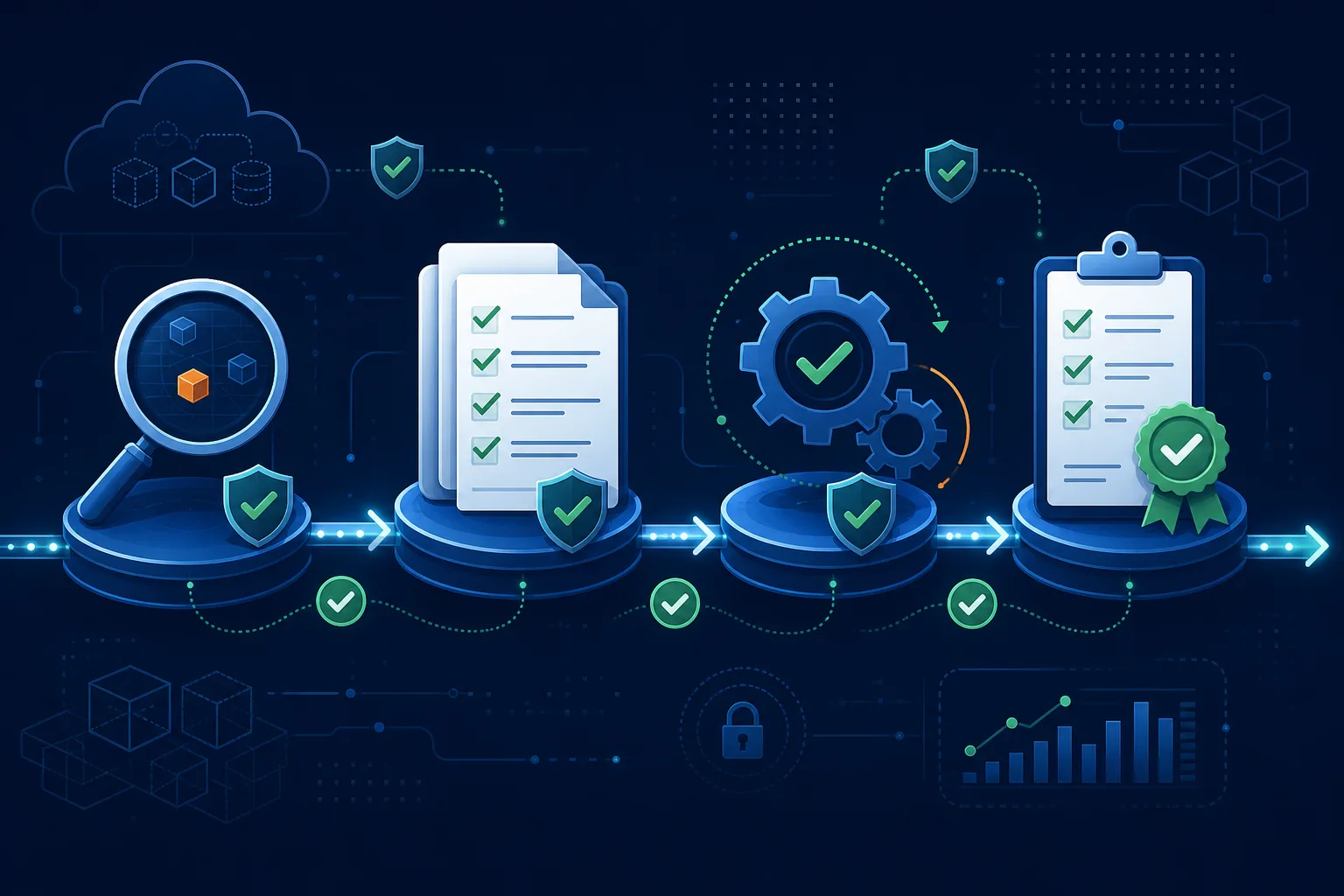
Continuous Compliance Automation on AWS (2026): Config Conformance Packs, SSM Auto-Remediation, and Audit Manager — Past Security Hub

Security Hub detects control failures. It is not the compliance pipeline, and treating it as one is why teams still scramble for evidence at audit time. The four jobs are distinct: AWS Config detects drift, conformance packs deploy rules org-wide as immutable bundles, SSM Automation remediates the safe class, and evidence accrues via conformance-pack exports plus Security Hub control status (Audit Manager only if you onboarded before it closed to new customers on 30 April 2026). This post has the tool-per-job matrix, a conformance pack with auto-remediation, and the auto-remediation gotcha to design around.

Nash Ogden
5 min

Cross-Account Patterns Beyond the Landing Zone (2026): RAM, Delegated Admin, Route 53 Profiles, RCPs, and Declarative Policies

Your landing zone set up the org, OUs, and baseline SCPs. Then most teams stall, duplicating resources per account and wiring brittle cross-account role chains. Since re:Invent 2024 the toolkit changed: RCPs bound what can be done TO a resource (even by external principals), declarative policies enforce EC2/VPC/EBS config state that survives new APIs, and one Route 53 Profile can push DNS to up to 5,000 VPCs. This post has the mechanism-by-job decision matrix and a rollout order that avoids lockouts.

Palaniappan P
4 min

GitOps on Amazon EKS (2026): Argo CD vs Flux, App-of-Apps, and the Decisions That Actually Bite

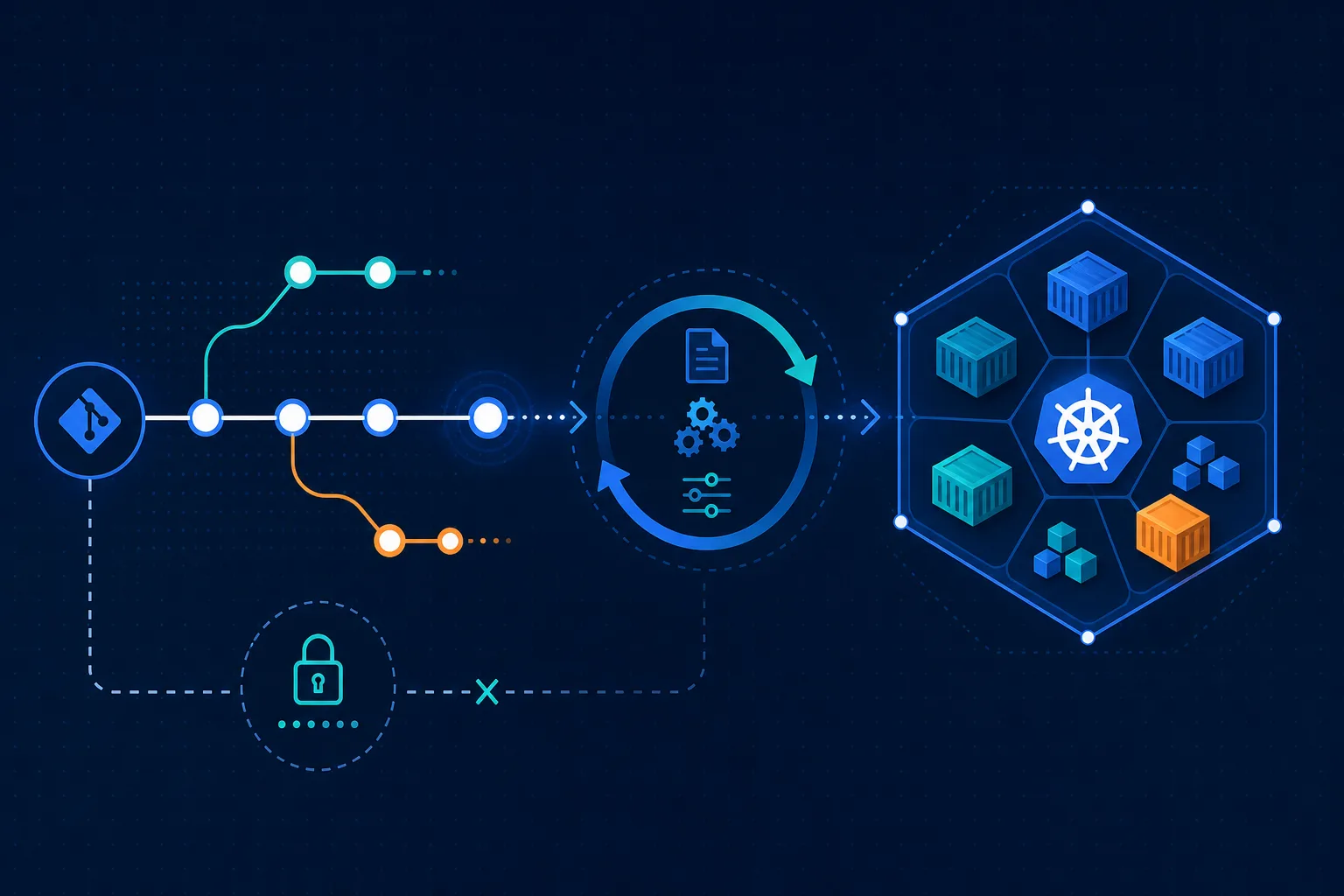
AWS Prescriptive Guidance says Argo CD and Flux both handle most GitOps scenarios capably, so picking one is a fit decision. The decisions that actually cause incidents are the ones underneath: plaintext secrets in the GitOps repo, CI running kubectl apply and reintroducing drift, no App-of-Apps so onboarding is click-ops, and repo topology you can't change later. This post has the Argo CD vs Flux matrix, an App-of-Apps example, and the five traps independent of tool.

Manoj V.
4 min

Post-Migration Optimization and the FinOps Handoff (2026): The First 30 Days After Cutover Decide Your Run-Rate

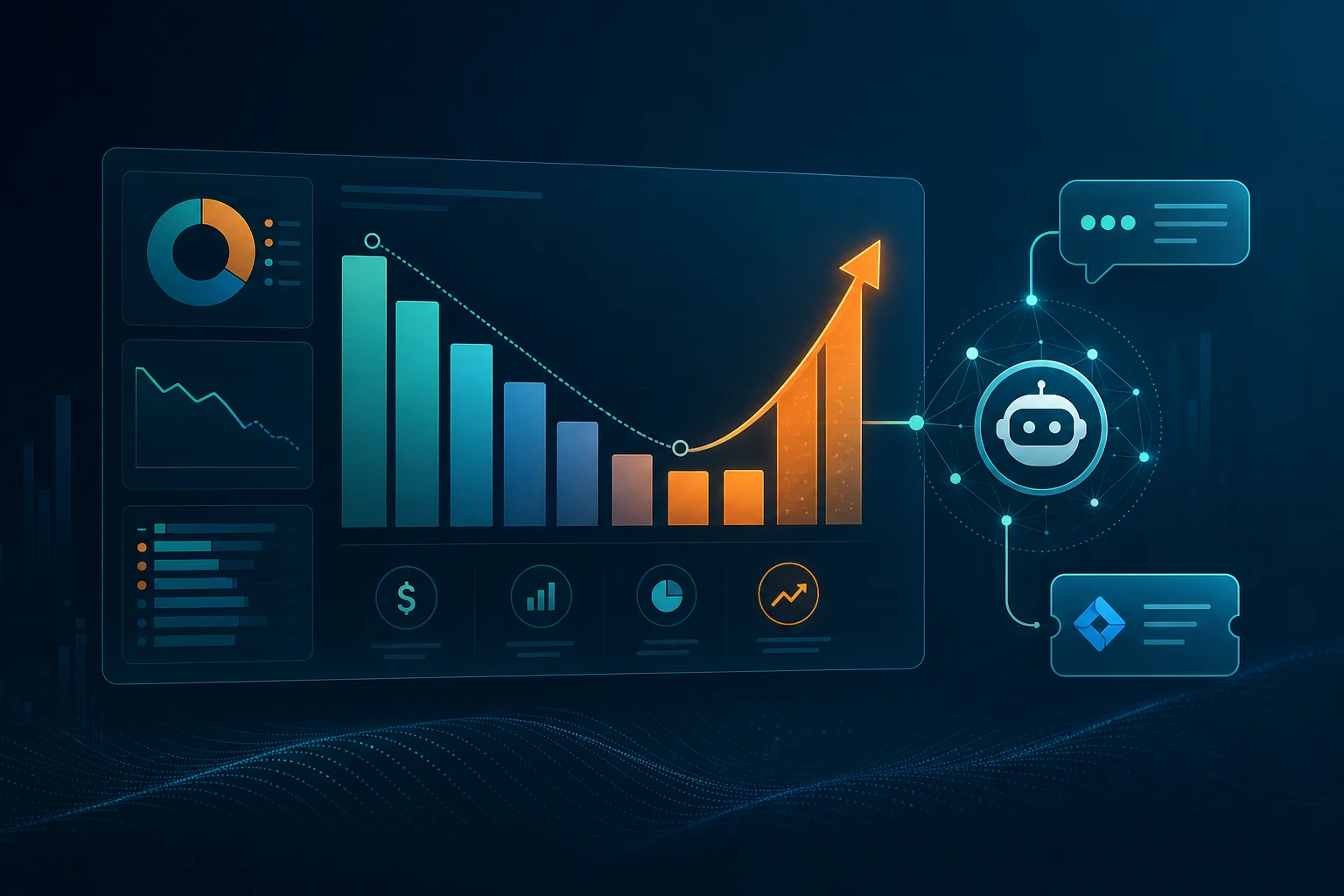
A lift-and-shift migration copies on-prem specs sized for peak plus headroom, then the migration partner rolls off and nobody owns the bill. The waste is predictable: 30 to 60% of cost untagged, over-provisioned EC2/RDS, idle NAT Gateways and orphaned EBS, and commitments bought on top of all of it. This is the explicit migration-to-FinOps handoff: owner first, visibility second, right-size before you commit. It comes with a 30-day checklist and an optimization-backlog CSV.

Kevin W.
8 min

Observability Beyond CloudWatch (2026): When to Add Application Signals, ADOT, Managed Prometheus, and Grafana — and When Not To

The reflex to bolt Amazon Managed Prometheus + Grafana onto every workload is how observability bills quietly double. CloudWatch Application Signals now gives you an auto-discovered service map, SLOs, and traces with near-zero setup; AMP only earns its keep when you are PromQL-native or drowning in high-cardinality metrics, where ingestion (not retention) is the cost driver. The post covers the decision matrix, an ADOT dual-export config, and the three levers that actually cut the AMP bill.

Manoj V.